
Step by Step of Electricity from Generation to Final Consumer
Understanding How Electrical Energy Travels from Power Stations to Homes, Industries and Businesses.
Introduction
Electricity passes through several important stages before reaching the final consumer. The journey begins at generating stations and ends at homes, offices, industries, and commercial buildings. Understanding these stages helps electrical engineers, technicians, and consumers appreciate how modern power systems operate.
Generation → Step-up Transformer → Transmission Lines → Substation → Distribution Transformer → Distribution Lines → Service Connection → Final Consumer.
Step 1: Electricity Generation
Electricity is produced at power generating stations using different energy sources such as:
- Hydroelectric Power Stations
- Thermal Power Stations
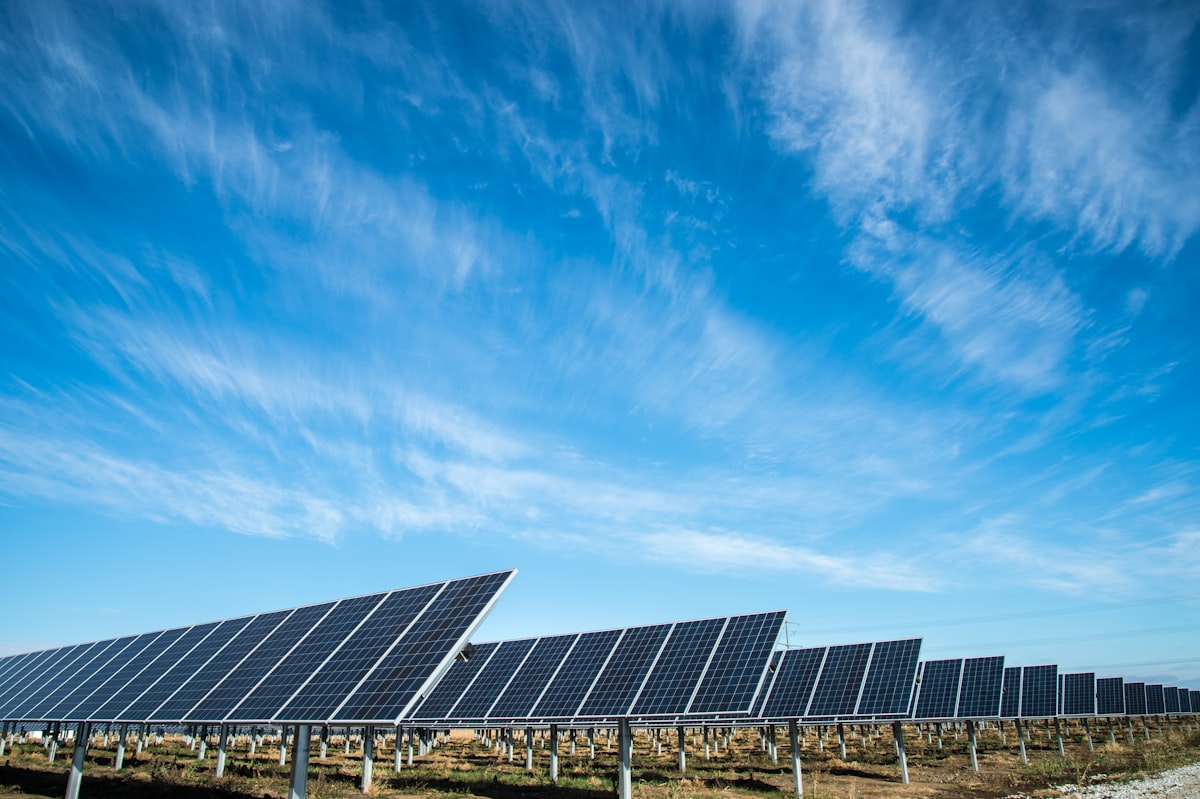
- Solar Power Plants
- Wind Power Stations
- Gas Turbine Power Plants
- Nuclear Power Stations
Large alternators convert mechanical energy into electrical energy, usually at voltages between 11kV and 25kV.

Step 2: Step-Up Transformer
After generation, electricity passes through a step-up transformer. The transformer increases the voltage to very high levels such as:
- 132kV
- 220kV
- 330kV
- 500kV
High voltage transmission reduces power losses during long-distance transportation.

Step 3: High Voltage Transmission
Electricity is transmitted over long distances through high-voltage transmission lines mounted on steel towers.
These lines transport bulk electrical power from generating stations to major substations across cities and states.

Step 4: Transmission Substation
At transmission substations, voltage is reduced to lower transmission or distribution levels.
Substations contain:
- Power Transformers
- Circuit Breakers
- Isolators
- Busbars
- Protective Relays
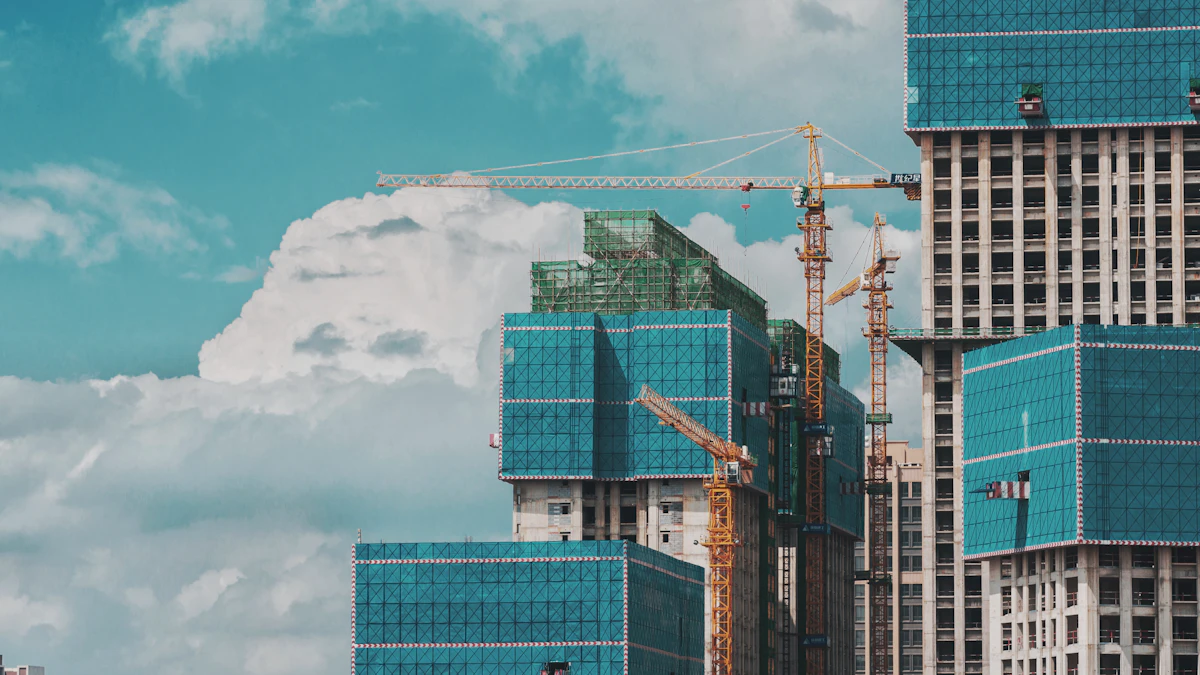
Step 5: Primary Distribution
Electricity leaves substations through medium-voltage distribution networks such as:
- 33kV Distribution Feeders
- 11kV Distribution Feeders
These feeders distribute electricity to different communities and industrial areas.
Step 6: Distribution Transformer
Distribution transformers reduce medium voltage (11kV or 33kV) to utilization voltage suitable for consumers.
Typical output voltages include:
- 415V Three-Phase
- 240V Single-Phase

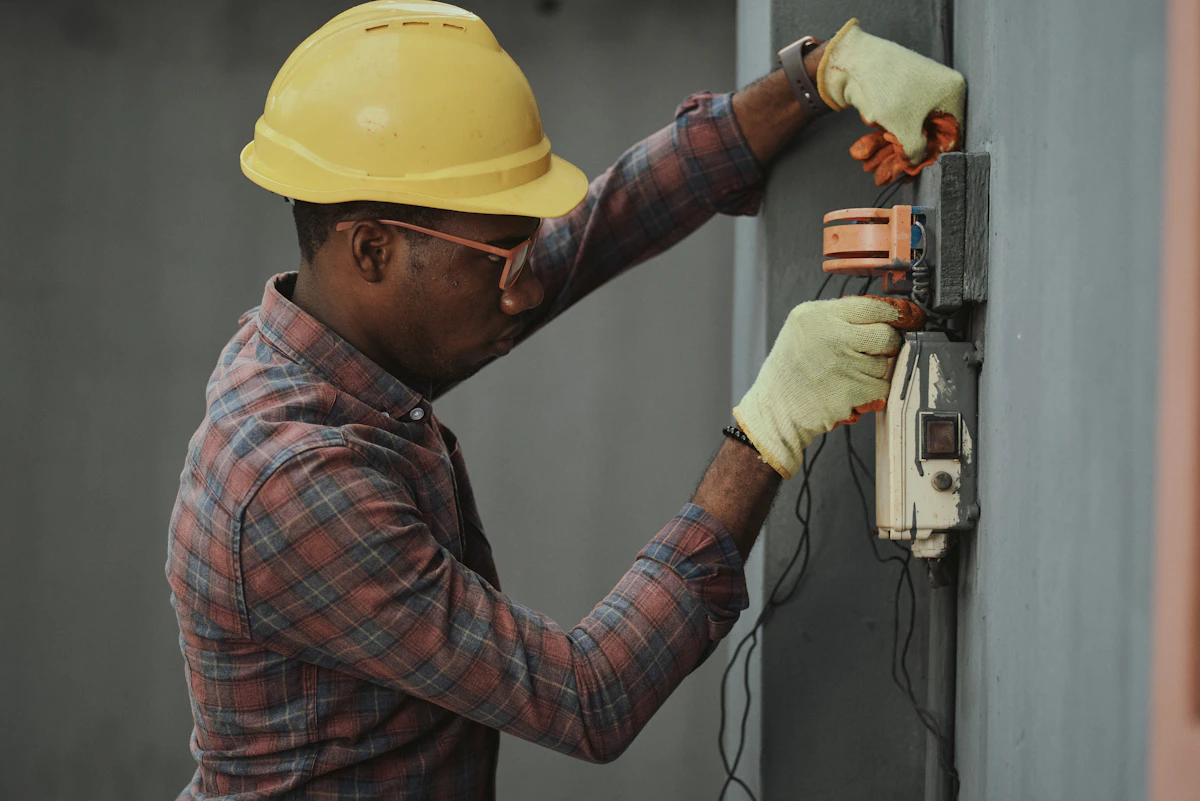
Step 7: Secondary Distribution and Service Connection
Low-voltage distribution lines carry electricity from distribution transformers to homes and businesses.
Service cables connect individual consumers through:
- Energy Meter
- Main Switch
- Distribution Board
- Protective Devices
Step 8: Final Consumer
The final consumer uses electrical energy for domestic, commercial, industrial, and agricultural purposes.
Examples include:
- Homes
- Schools
- Hospitals
- Industries
- Offices
- Commercial Buildings

Summary Table
| Stage | Function |
|---|---|
| Generation | Produces electrical energy. |
| Step-Up Transformer | Increases voltage for transmission. |
| Transmission Lines | Carry electricity over long distances. |
| Substation | Reduces voltage and controls power flow. |
| Primary Distribution | Distributes power to local areas. |
| Distribution Transformer | Reduces voltage for consumer use. |
| Service Connection | Supplies electricity to consumers. |
| Final Consumer | Uses electrical energy. |
Post a Comment