
Modern Power System and Supply
A Comprehensive Guide to Modern Electricity Generation, Transmission, Distribution and Reliable Power Supply Solutions by Obaalat Electrical Works.
Introduction to Modern Power Systems
Modern power systems are advanced electrical networks designed to generate, transmit, distribute and manage electricity efficiently. They integrate renewable energy, smart grids, automation, and digital monitoring to ensure stable and reliable power supply.
What is a Modern Power System?
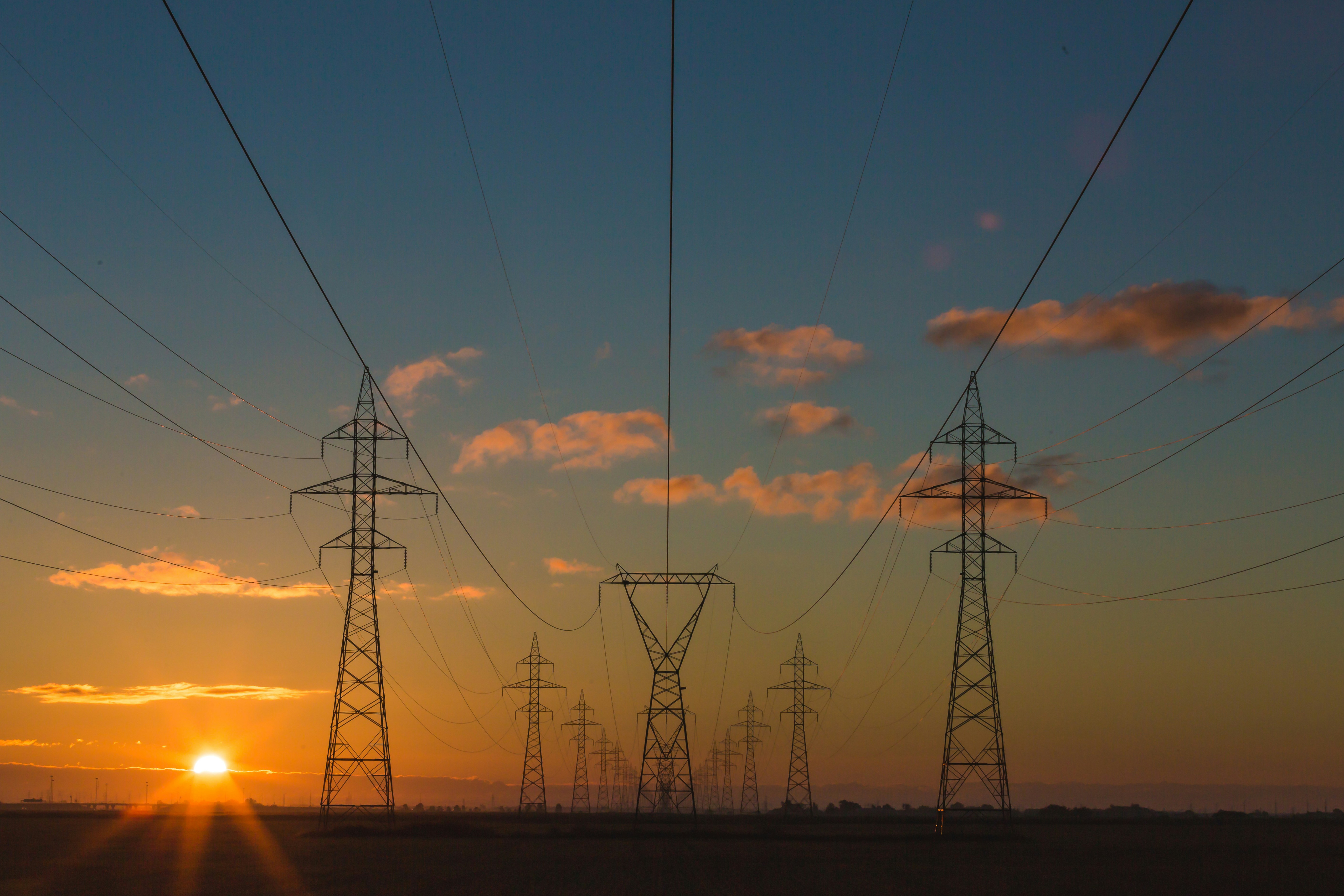
A modern power system is an interconnected network consisting of power generation stations, high-voltage transmission lines, substations, distribution transformers and consumers. The primary objective is to deliver safe, reliable and economical electricity from generating stations to homes, industries and commercial establishments.
Modern systems use intelligent technologies for monitoring power quality, load balancing, fault detection and energy efficiency improvement.
Major Components of a Modern Power System

1. Power Generation
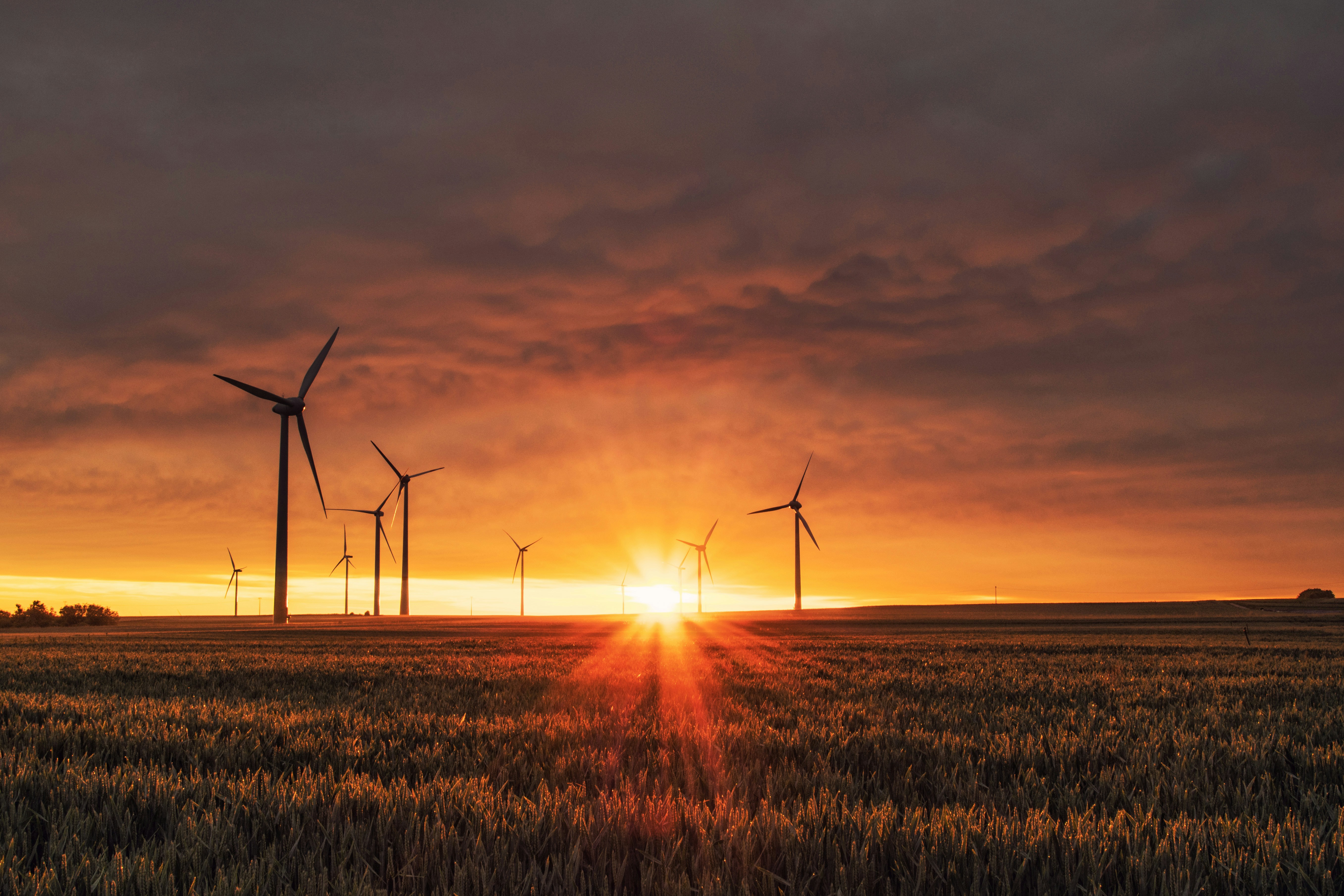
Electricity is produced from hydroelectric dams, thermal plants, solar farms, wind turbines, gas turbines and nuclear stations.
2. Transmission System
High-voltage transmission lines carry electricity over long distances while minimizing energy losses.
3. Substations
Substations transform voltage levels and control power flow throughout the network.
4. Distribution Network
Distribution transformers and feeders deliver electricity directly to residential and industrial consumers.
5. Consumers
Homes, offices, factories and public facilities receive electricity for daily operations.
6. Smart Monitoring
Digital sensors, smart meters and SCADA systems enable real-time monitoring and control.
Modern Power Supply Process
Step 1: Electricity Generation
Power is generated from renewable and conventional energy sources.
Step 2: Voltage Step-Up
Transformers increase voltage levels for efficient transmission.
Step 3: Long Distance Transmission
Electricity is transported through high-voltage transmission networks.
Step 4: Substation Control
Voltage is reduced and power flow is managed safely.
Step 5: Distribution
Distribution transformers supply electricity to communities and industries.
Step 6: End User Consumption
Consumers utilize electricity for lighting, machinery, appliances, and industrial processes.
Advantages of Modern Power Systems

- ✔ Improved Reliability and Stability
- ✔ Reduced Power Losses
- ✔ Smart Grid Integration
- ✔ Renewable Energy Compatibility
- ✔ Enhanced Safety Features
- ✔ Automated Fault Detection
- ✔ Better Power Quality
- ✔ Efficient Energy Management
- ✔ Real-Time Monitoring and Control
- ✔ Environmentally Friendly Operations
Future of Modern Power Supply
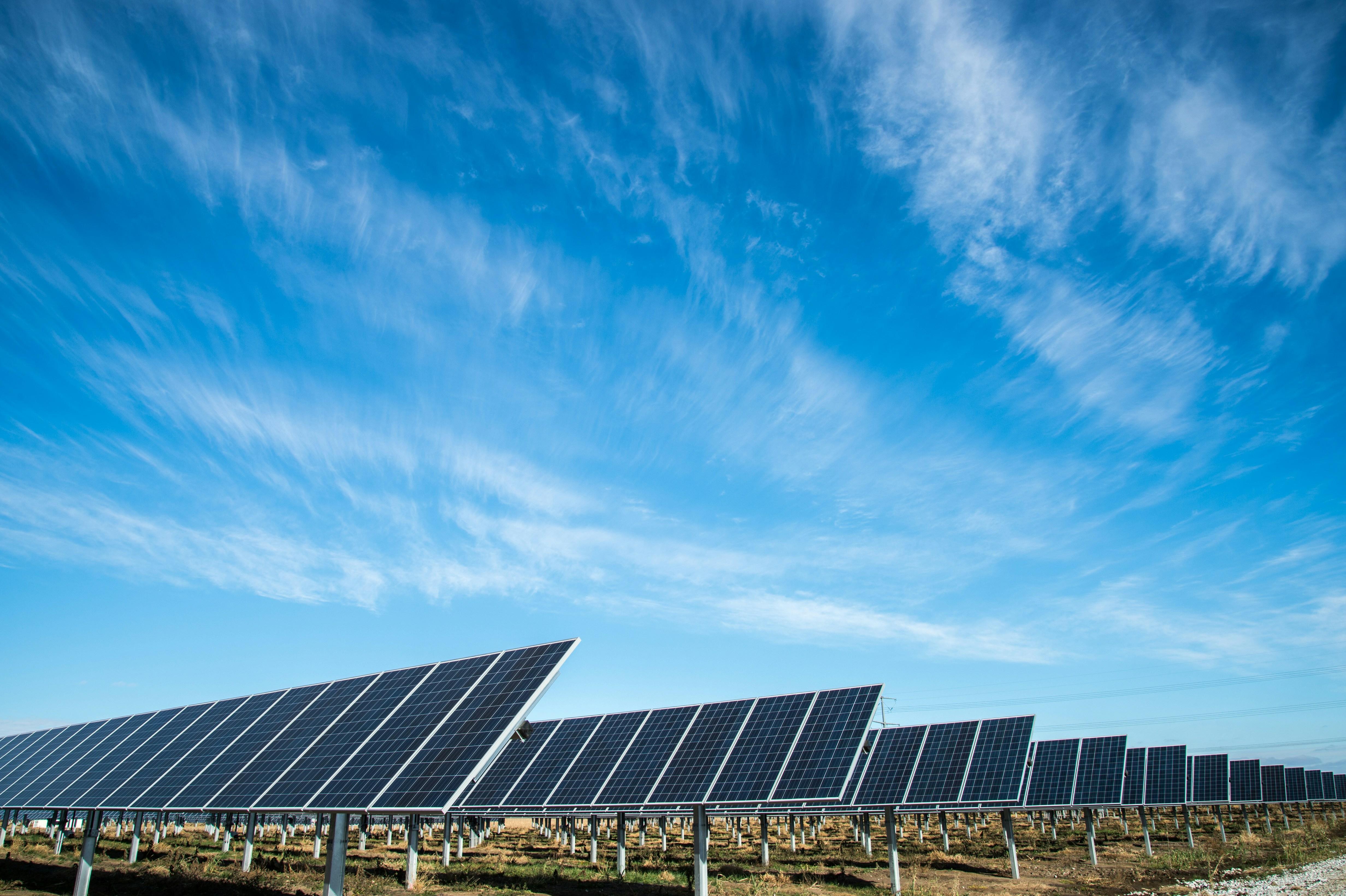
The future of power systems focuses on smart grids, renewable energy integration, energy storage systems, electric vehicles, artificial intelligence and advanced automation. These innovations will improve efficiency, reduce carbon emissions and provide uninterrupted electricity supply to consumers worldwide.
At Obaalat Electrical Works, we are committed to promoting modern electrical technologies, safe installations, efficient power systems and sustainable energy solutions for homes, businesses and industries.
Post a Comment